By Viraj • September 5, 2026
Drone Flying Course: There is something genuinely exciting about watching a drone rise into the sky. What once felt like a piece of futuristic technology has now become a practical tool used in agriculture, construction, filmmaking, surveying, infrastructure inspection and many other industries. Naturally, this has made drone flying an attractive career option for students, professionals and even people looking to start their own business.
If you are thinking about learning to fly a drone professionally, one of the first questions that probably comes to mind is, how much does a drone flying course cost, and how can I get admission? The answer depends on the type of course, training organisation, drone category, course duration and the kind of career you want to build.
A basic drone workshop may be very different from a professional remote pilot training programme. Similarly, an FPV course, agriculture drone course and surveying course can have completely different fees and training requirements.
India’s drone ecosystem has grown considerably in recent years. Government data released in February 2026 reported more than 38,500 registered drones, 39,890 DGCA-certified remote pilots and 244 approved training organisations in the country. This growing ecosystem is creating opportunities for trained professionals across several industries.
So, if you are seriously considering a drone flying course, understanding admission, eligibility, fees, certification and career scope before spending your money is extremely important.
A drone flying course is a structured training programme designed to teach students how to safely operate an unmanned aircraft system. Depending on the course, students may learn basic flight controls, mission planning, aviation regulations, weather awareness, equipment handling, emergency procedures and practical drone operations. Professional training is not simply about learning how to move a drone using a remote controller. A responsible drone pilot must understand what can happen before, during and after a flight.
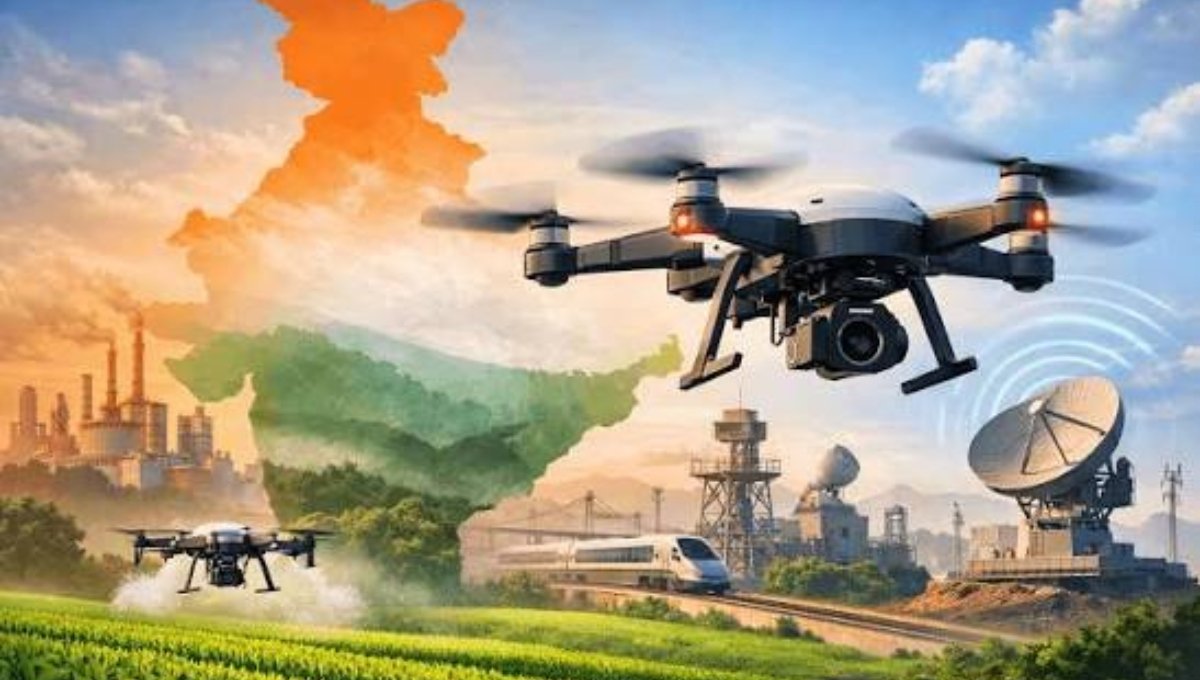
A proper training programme can include classroom theory, simulator practice and real-world flying. More specialised courses may also teach mapping, photography, agricultural spraying, inspection or FPV flying. One important distinction should always be remembered. A drone flying workshop is not necessarily the same as DGCA-authorised remote pilot training. Before enrolling in a course that claims to provide professional certification, candidates should verify the training organisation’s current authorisation and approved scope.
Admission procedures vary from one institute to another. However, professional drone training generally begins with checking the candidate’s age and educational qualification, followed by document verification and registration.
For example, current information published by IGRUA for its drone training programme lists minimum Class 10 qualification and a minimum age of 18 years. The programme is designed around DGCA-certified remote pilot training for applicable drone operations.
The exact admission requirements can change depending on the training organisation and current regulatory framework, so students should always check the latest details before applying.
In most cases, the admission process can be understood through the following stages:
Course selection → eligibility check → registration → document submission → fee payment → training schedule → theory and practical training → applicable assessment/certification process.
Some institutes allow online registration, while others may require candidates to visit the training centre for documentation and joining formalities.
Eligibility depends mainly on the type of programme.
For professional remote pilot training, candidates should check the latest DGCA requirements and the specific conditions published by the authorised training organisation. A Class 10 qualification and 18 years of age are commonly seen in current professional training programmes, but candidates should not assume that every course has identical requirements.
For specialised courses such as FPV, drone photography or basic drone workshops, the requirements may be different.
| Eligibility Factor | Typical Requirement |
|---|---|
| Age | Often 18+ for professional pilot training |
| Education | Class 10 or equivalent is commonly required |
| Technical Background | Usually not compulsory for beginner courses |
| Medical Fitness | May be required depending on the programme |
| Language | Basic understanding of the training language may be necessary |
| Experience | Generally not required for beginner courses |
The good news is that you do not necessarily need an engineering or aviation degree to begin learning drone operations. A student with basic educational qualifications and genuine interest can explore the field through an appropriate training route.
One of the most important things to understand is that there is no single fixed fee for all drone flying courses in India.
The price can vary significantly depending on whether you are attending a short workshop, professional pilot training, agriculture programme, FPV course or advanced survey and mapping programme.
A professional certification-oriented course may cost more because it includes structured theory, simulator training, practical flying, instructors, equipment and assessment.
For example, current course listings from different Indian training providers show that specialised FPV courses can cost around ₹25,000 plus GST for a basic three-day programme and around ₹45,000 plus GST for an advanced five-day programme. These are examples from one provider and should not be treated as a national fee structure.
Similarly, agriculture-oriented drone training fees can vary considerably between institutions and states.
| Type of Drone Course | Typical Duration | Fee Nature |
|---|---|---|
| Basic Drone Workshop | 1–3 days | Usually lower |
| Professional Pilot Training | Around 5–7 days | Moderate |
| Agriculture Drone Training | Around 5–7 days | Moderate |
| FPV Basic Course | Around 3 days | Moderate |
| FPV Advanced Course | Around 5 days | Moderate to high |
| Survey & Mapping Course | Several days | Varies by software and equipment |
| Advanced Specialised Training | Varies | Generally higher |
Students should always ask whether GST, examination charges, accommodation, food, equipment or other expenses are included in the advertised fee.
This is where students need to be careful. Two institutes may advertise courses at similar prices but provide very different levels of practical exposure.
A good professional course should have a clear training structure. Depending on the programme, the fee may cover classroom theory, simulator sessions, practical drone flying, instructor support, equipment usage and assessment.
Some courses may additionally include study material, certification-related processing, accommodation or meals, while others charge these separately.
Before paying the fee, ask the institute for a written breakdown of what is included.
The following questions can save you from unexpected expenses:
Course duration depends on the objective. A short workshop may introduce students to drone technology within a couple of days. Professional remote pilot programmes are generally longer because they combine theoretical knowledge with practical training.
DGCA’s drone training framework covers several areas, including air law, airspace, principles of flight, meteorology, ATC procedures, maintenance, risk assessment, emergency procedures, payload utilisation and drone data.
This is why a professional course should not be judged solely by its duration. A five-day programme with meaningful simulator and practical training can be far more valuable than a longer programme that provides very little actual flying experience.
The curriculum depends on the institute and specialisation, but professional drone training can cover both theoretical and practical subjects.
Students generally begin by understanding the aircraft itself. They learn about motors, propellers, batteries, controllers, GPS, sensors and other important components.
The next stage focuses on flight operations. This can include take-off, hovering, directional movement, landing, mission planning and safe handling.
A professional curriculum can also introduce aviation regulations, airspace restrictions, weather conditions and emergency procedures.
| Training Module | Main Learning Area |
|---|---|
| Drone Fundamentals | Aircraft components and operation |
| Flight Controls | Take-off, landing and manoeuvring |
| Airspace | Operational restrictions and awareness |
| Regulations | Applicable drone laws |
| Meteorology | Wind, visibility and weather |
| Simulator Training | Controlled flight practice |
| Practical Flying | Real drone operation |
| Safety | Risk management and emergencies |
| Maintenance | Inspection and troubleshooting |
| Payloads | Cameras, sensors and equipment |
| Data | Basic drone data handling |
If you choose a specialised course, additional modules may include GIS, photogrammetry, crop spraying, cinematic flying or FPV operations.
Imagine learning to drive a car only by reading a textbook. You may understand the theory, but that does not mean you are ready for a busy road. Drone flying is similar. Simulator training is useful because beginners can practise controls without risking expensive equipment. But real flying experience is equally important.
Students should get an opportunity to understand how wind affects the aircraft, how batteries behave, how to maintain visual awareness and how to respond when something unexpected happens. The quality of practical training can therefore make a huge difference to a beginner’s confidence.
The right course depends on what you want to do after training. If your goal is to become a professional remote pilot, focus on an appropriately authorised training organisation and verify its current scope.
If agriculture interests you, look for a course that provides exposure to agricultural drone applications, spraying systems and field operations. If you dream of creating cinematic videos, photography and FPV training may be more suitable.
For surveying and mapping, look for programmes that combine drone flying with GIS, photogrammetry and data processing.
| Your Interest | Suitable Training Direction |
|---|---|
| Professional Drone Pilot | Remote Pilot Training |
| Agriculture | Agriculture Drone Training |
| Films & Photography | Aerial/Cinematic Drone Training |
| FPV Videos | FPV Drone Training |
| Land Survey | Survey & Mapping |
| Construction | Mapping & Progress Monitoring |
| Drone Repair | Drone Technician Training |
| Drone Business | Pilot + Industry Specialisation |
Completing a drone course can open doors to several industries, but a certificate alone should not be viewed as a guarantee of employment. Agriculture companies can require drone operators for spraying and crop monitoring. Surveying companies can use pilots for aerial mapping. Construction companies may need drone-based progress monitoring. Infrastructure companies can use drones for inspection. Creative professionals can work in wedding photography, advertising, films, travel content and social media.
Experienced pilots can also move into training, technical support or their own drone-service business. The most valuable professionals are often those who combine drone flying with another skill. A pilot who understands GIS, for example, can offer more value to a surveying company than someone who only knows basic flight controls.
For someone genuinely interested in the industry, it can be worthwhile, but the answer depends on choosing the right course. Don’t spend a large amount simply because an advertisement promises a high-paying drone job. Instead, investigate the training organisation, its current authorisation where applicable, practical facilities, instructors, equipment and alumni outcomes.
Think about the course as an investment in skills rather than just a certificate. The strongest career path usually comes from combining three things: proper training, practical experience and industry-specific knowledge.
Before making the final payment, take a little time to investigate the institute. DGCA has specifically highlighted the importance of public disclosure by authorised RPTOs, including information about authorisation, scope, validity, addresses, flying grounds, UAS and simulator facilities.
Therefore, candidates should verify these details instead of relying entirely on social-media advertisements. Also compare the actual training hours rather than simply comparing course duration. A good institute should be transparent about its curriculum, trainers, equipment, training location, fees and certification process.
The future of drone technology in India looks promising. Government programmes are already using drones for village surveys, agriculture, infrastructure monitoring, railways and disaster management. As more organisations adopt drone-based workflows, demand is likely to move towards professionals who can do more than simply operate the aircraft.
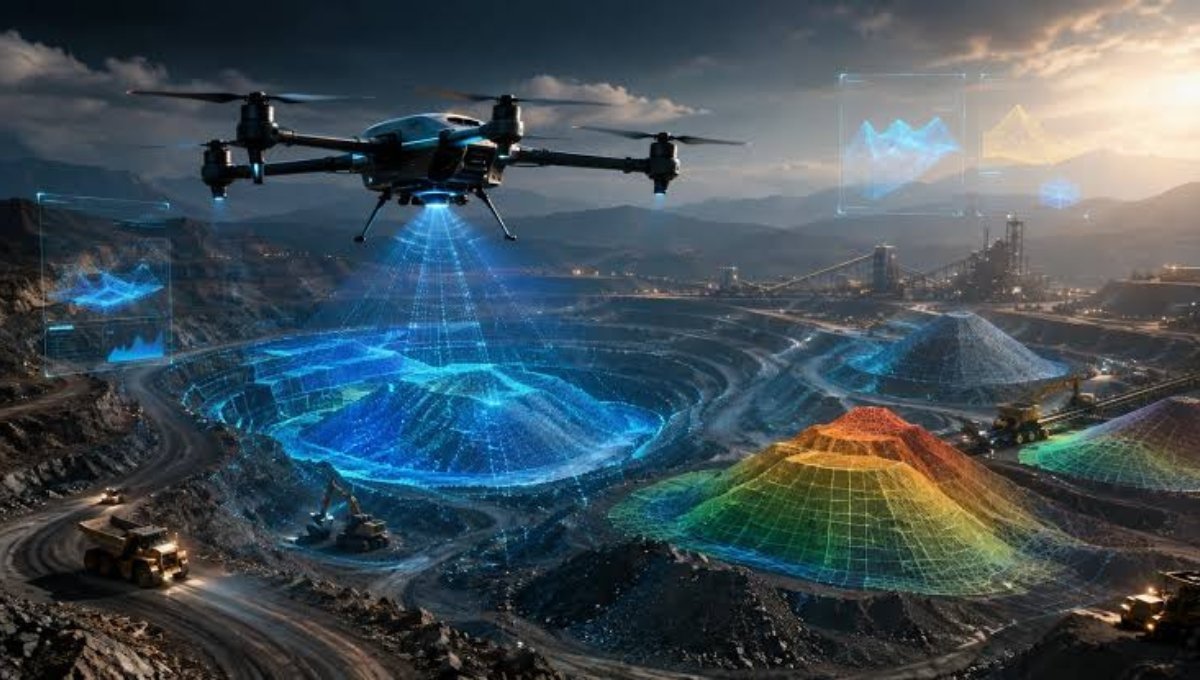
Pilots who understand data processing, GIS, inspection, agriculture, photography, engineering or business operations can potentially build stronger career profiles. This is also why beginners should think beyond the question, “Where can I learn to fly?” A better question is, “What problem do I want to solve using drone technology?” That mindset can completely change the direction of your career.
Disclaimer: This article is intended for general educational and informational purposes only. Drone regulations, DGCA requirements, course fees, eligibility criteria, certifications, training organisation approvals and operational rules may change over time. Candidates should verify the latest information directly with DGCA and the relevant training institute before admission or payment. Course fees mentioned or discussed as examples are not a fixed national fee structure and should not be considered a guarantee of employment, salary or certification.