By Viraj • September 7, 2026
Drone Operator Course Guide: There is something special about watching a drone take off for the first time. A small aircraft rises from the ground, moves smoothly through the air and captures an entirely new view of the world. What looks like simple flying from the outside actually involves technology, precision, safety and a surprising amount of skill.
That is exactly why drone operating has moved beyond being just a hobby. Today, drones are being used in agriculture, construction, surveying, mapping, infrastructure inspection, filmmaking, disaster management, real estate and many other industries. As businesses discover new ways to use drones, trained operators are becoming increasingly important.
If you are interested in turning this technology into a career, a Drone Operator Course can be a great place to begin. But choosing a course is not simply about finding the cheapest training programme. You need to understand what you will learn, whether the institute is authorised for the training it advertises, what certification you will receive, how much practical flying is included and whether the course actually matches your career goals.
India’s drone training ecosystem has expanded rapidly. The DGCA’s current dashboard shows 284 RPTO approvals in total, including 51 approvals recorded in 2026 so far. This growth reflects the increasing importance of organised drone training in the country.
So, whether you are a student, working professional, technology enthusiast or someone dreaming of starting a drone-related business, this complete Drone Operator Course Guide will help you understand the field from the ground up.
A Drone Operator Course is a structured programme designed to teach people how to operate unmanned aircraft safely and effectively. At the beginner level, students learn the fundamentals of drone technology, flight controls, take-off and landing, battery handling and basic safety. Professional courses go much further and can include airspace awareness, aviation rules, weather conditions, flight planning, emergency procedures, maintenance, risk assessment and practical flying.
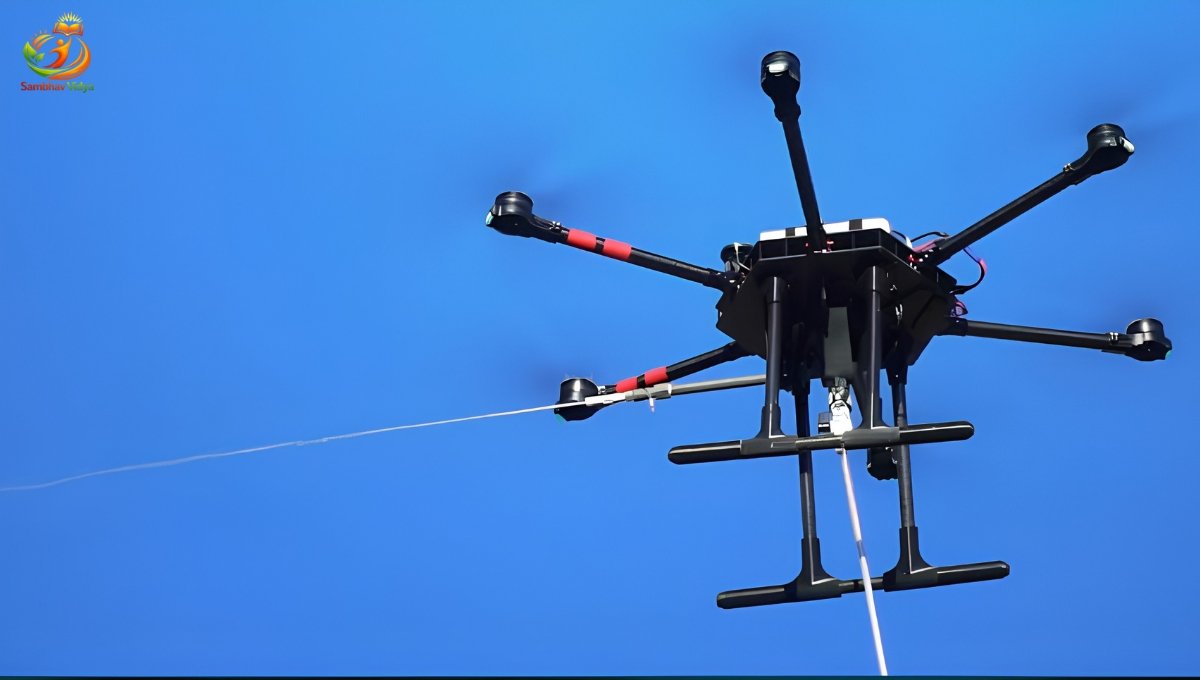
The exact syllabus depends on the institute and the purpose of the course. For someone interested in becoming a professional remote pilot, it is particularly important to distinguish a general drone workshop from training conducted by a DGCA-authorised Remote Pilot Training Organisation (RPTO). DGCA defines an RPTO as an organisation authorised to provide remote pilot training to individuals seeking a Remote Pilot Certificate.
This means a certificate from a private drone workshop should not automatically be assumed to be equivalent to an RPC.
Drones are becoming part of everyday professional workflows. A farmer can use a drone to support crop monitoring or spraying. A surveyor can use aerial imagery to map a large area. A construction company can document project progress. An infrastructure company can inspect difficult-to-reach structures. A filmmaker can capture cinematic aerial footage.
The technology is also becoming more specialised. Modern drone operators may work with high-resolution cameras, thermal sensors, mapping payloads, multispectral systems and automated flight-planning software. This means the future drone operator will need to be more than someone who knows how to move a drone forward and backwards. The real value lies in knowing how to use a drone to solve a professional problem.
The field is open to people from different educational and professional backgrounds. A student interested in technology can use drone training as an introduction to the UAV industry. A photographer can add aerial cinematography to existing skills. An agriculture professional can learn drone-based field applications. A civil engineering or surveying student can combine drone flying with mapping and GIS.
You do not necessarily need an engineering degree to start learning drone operations. The eligibility depends on the specific course and its regulatory category.
For professional remote pilot programmes, candidates should always check the current requirements of the chosen RPTO and applicable DGCA rules before admission.
Eligibility can vary considerably between basic workshops, specialised programmes and professional remote pilot training. For example, some current professional training programmes use 18 years of age and Class 10 qualification as basic admission requirements. Other specialised courses may have different conditions.
| Eligibility Factor | Typical Requirement |
|---|---|
| Age | Often 18+ for professional training |
| Education | Class 10 or equivalent is common |
| Technical Degree | Usually not required for beginner courses |
| Medical Fitness | May be required for applicable professional training |
| Prior Drone Experience | Usually not necessary for beginners |
| Computer Skills | Helpful for mapping and data-related courses |
Candidates should never rely on an old eligibility list found online. Regulations and training requirements can change, so the current requirements of the selected institute should always be verified.
A good course should give you a balance between theory and practical experience. The first stage generally introduces the drone itself. Students learn about the aircraft body, motors, propellers, batteries, GPS, sensors, controller and other major components.
Once the basics are understood, training moves towards flight operations. Students learn how to take off, hover, move in different directions, land safely and maintain control of the aircraft.
Professional training also introduces the environment in which a drone operates. This can include airspace, weather, aviation regulations, flight planning and safety.
DGCA’s training framework covers areas such as air law, airspace, principles of flight, ATC procedures, meteorology, crew resource management, weight and balance, performance, maintenance, risk assessment, emergency procedures, payload installation and drone data analysis.
| Module | What You Learn |
|---|---|
| Drone Fundamentals | Components and basic working |
| Flight Controls | Take-off, landing and manoeuvring |
| Airspace | Operational awareness |
| Aviation Rules | Applicable regulations |
| Weather | Wind, visibility and weather conditions |
| Flight Planning | Preparing missions |
| Simulator Training | Safe virtual practice |
| Practical Flying | Real-world drone operation |
| Safety | Risk management and emergency response |
| Maintenance | Basic inspection and troubleshooting |
| Payloads | Cameras and specialised equipment |
| Data | Basic processing and analysis |
The depth of each module depends on the institute and course category.
For a beginner, making mistakes is part of learning. The problem is that a mistake with a real drone can damage an expensive aircraft. This is where simulator training becomes extremely useful.
A simulator allows students to practise controls, manoeuvres, take-offs and emergencies in a controlled environment. It helps develop muscle memory and confidence before moving to real aircraft. However, simulation cannot completely replace real flying. Actual outdoor training teaches you how wind, visibility, surroundings, battery performance and other real-world conditions affect the flight.
The best learning experience therefore combines theory + simulator + supervised practical flying.
There is no universal duration for a Drone Operator Course. A basic awareness workshop might last one or two days, while professional remote pilot training can take several days and include classroom, simulator and practical sessions.
Specialised programmes can be longer because they introduce additional skills.
| Course Type | Approximate Training Style |
|---|---|
| Basic Drone Workshop | Short introductory training |
| Beginner Drone Flying | Basic theory + practical |
| Professional Remote Pilot Training | Theory + simulator + practical |
| Agriculture Drone Course | Flying + agricultural applications |
| FPV Course | Simulator + manual FPV flying |
| Survey & Mapping Course | Flying + GIS/data processing |
| Advanced Inspection Course | Flying + technical inspection |
Rather than asking only, “How many days is the course?”, ask how much actual hands-on training you will receive.
Fees can vary significantly depending on the course. A short drone workshop may cost much less than a professional training programme that includes instructors, simulators, training drones, flying grounds and certification-related processes.
Specialised FPV, agriculture and mapping programmes can also have different fee structures.
| Course Category | Fee Level |
|---|---|
| Basic Workshop | Low to moderate |
| Beginner Flying Course | Moderate |
| Professional Pilot Training | Moderate |
| Agriculture Drone Training | Moderate to high |
| FPV Training | Moderate to high |
| Survey & Mapping | Depends on software and equipment |
| Advanced Specialisation | Usually higher |
Students should ask whether the advertised fee includes GST, training equipment, practical flying, examination or assessment charges, certification-related costs, accommodation and other expenses. A course that appears cheaper initially may not actually be cheaper after adding all additional costs.
This is one of the most important parts of the entire course-selection process. A private institute may provide a certificate confirming that you completed its training. That can be useful as evidence of a skill or course completion. However, if your goal is to obtain a Remote Pilot Certificate, you need to follow the applicable DGCA-authorised training pathway. DGCA’s training circular specifically states that an RPTO is authorised to provide remote pilot training to an individual seeking an RPC under the Drone Rules framework.
The official DGCA system also describes the remote pilot certification process involving document validation, ground classes, theory assessment, flying training, skill assessment and generation of the RPC through the prescribed digital process. Therefore, before joining any course, ask one simple question:
“Exactly what certification will I receive after completing this course?”
That one question can save you from a lot of confusion later.
Choosing an institute is perhaps more important than choosing the course title. The first thing to verify is the institute’s current authorisation and approved scope if it claims to provide DGCA-regulated remote pilot training.
DGCA has specifically warned that candidates can receive misleading information about RPTO authorisation, scope, infrastructure and addresses. In its May 2025 public notice, DGCA required authorised RPTOs and Train the Trainer organisations to make important information publicly available, including authorisation number, scope, validity, addresses, flying ground, UAS and simulator details.
So, don’t simply trust a social-media advertisement saying “DGCA-approved.”
The official DGCA RPTO Approved Scope page is the right place to start your verification.
One of the best things about the drone industry is that you do not have to remain a general drone operator forever.
You can gradually specialise in an area that matches your interests.
Agriculture is a major application area for drones in India. Operators may work with crop monitoring, spraying, field mapping and agricultural data collection.
This career path combines flying with GIS, photogrammetry and aerial data processing. It can be useful for land surveys, construction projects, mining and infrastructure.
FPV pilots specialise in immersive flying and are increasingly used in advertising, filmmaking, events, sports and social-media content.
People with an interest in photography and filmmaking can specialise in aerial cinematography and produce footage for films, advertisements, real estate and travel content.
Inspection work can involve solar plants, power infrastructure, bridges, towers, industrial facilities and other assets where aerial imagery can help professionals assess conditions.
A drone operator course can be the starting point for several different careers.
| Career | Main Work |
|---|---|
| Drone Pilot | Professional drone operations |
| Agriculture Drone Operator | Spraying and crop monitoring |
| Survey Drone Operator | Mapping and aerial surveys |
| GIS/Mapping Assistant | Processing drone data |
| FPV Pilot | Racing and cinematic flying |
| Aerial Photographer | Photos and videos |
| Inspection Operator | Infrastructure inspections |
| Drone Technician | Maintenance and repair |
| Drone Trainer | Teaching drone operations |
| Drone Entrepreneur | Providing specialised drone services |
The important thing to remember is that a course does not automatically guarantee a job.
Employers often look for practical experience and additional technical skills.
A pilot who knows GIS can be more valuable in surveying. A pilot who understands agriculture can be more useful to an agri-tech company. A pilot with strong photography skills can offer more to a media organisation.
There is no fixed national salary for drone operators. A beginner may start with an entry-level field role, while an experienced specialist may earn significantly more depending on the industry, location, project and technical expertise.
Freelance operators can have a completely different income model because they may charge per project rather than receive a fixed monthly salary.
| Experience | Possible Career Stage |
|---|---|
| Beginner | Trainee/Junior Operator |
| 1–3 Years | Field Drone Operator |
| 3–5 Years | Specialist/Senior Operator |
| 5+ Years | Lead Pilot/Trainer/Project Specialist |
| Experienced | Consultant or Business Owner |
Salary should therefore never be the only reason to choose a drone course. The better long-term strategy is to develop a combination of flying + technical + industry-specific skills.
Absolutely. Drone technology has created opportunities for entrepreneurs who can provide specialised services to businesses.
Instead of simply offering “drone flying”, an entrepreneur can offer agriculture spraying, land mapping, construction progress monitoring, aerial photography, inspection or data collection. The business becomes more valuable when the drone operator solves a specific customer problem.
For example, a construction company may not really need “a drone pilot.” It needs accurate aerial progress documentation that helps its project team understand what has changed on the site. That difference in thinking can turn a flying skill into a real business.
For the right person, yes. But the value of the course depends heavily on its quality. A good course should leave you with confidence, practical experience, safety awareness and a clear understanding of what to do next.
A weak course may simply give you a certificate and a few hours of basic flying. Before spending money, compare the institute, syllabus, practical hours, instructors, equipment, certification pathway and career relevance. Most importantly, don’t choose a course only because it promises a high salary.
The future looks exciting, but it will also become more competitive. DGCA’s current dashboard showing 284 RPTO approvals demonstrates how quickly the organised training ecosystem has expanded. As more people become trained operators, simply knowing how to fly a drone may no longer be enough to stand out. The strongest professionals are likely to be those who combine drone operation with another valuable discipline.
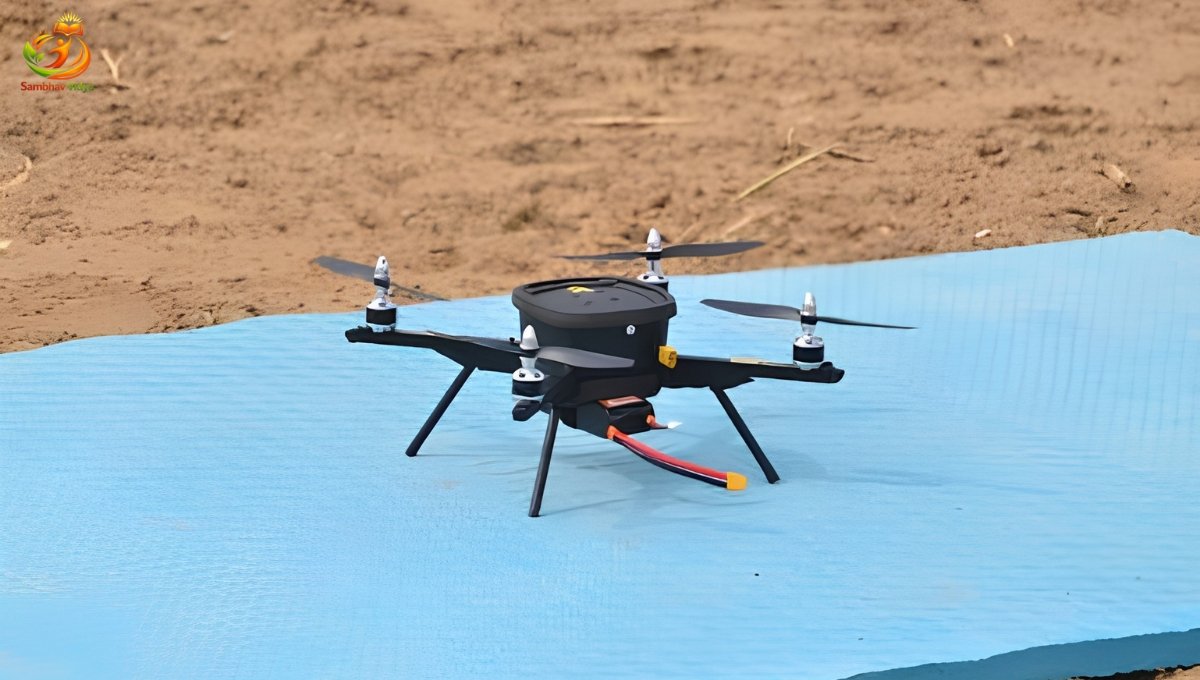
A drone operator who understands surveying can work on mapping projects. A pilot who knows agriculture can support precision farming. A filmmaker can combine aerial flying with cinematography. A technical operator can move towards inspection and maintenance. This is where the real future of drone careers lies.
Disclaimer: This article is intended for general educational and informational purposes only. Drone regulations, DGCA requirements, RPTO approvals, certification procedures, course eligibility, fees and operational requirements can change over time. Candidates should verify the latest information directly through official DGCA sources and the selected training organisation before admission, payment or professional drone operations. Completion of a drone course or obtaining a Remote Pilot Certificate does not guarantee employment, salary or business success. The fee and career information discussed in this article is indicative and should not be treated as a fixed national standard.