By Viraj • September 9, 2026
UAV Training Course Overview: The world of aviation is changing, and you do not always need to sit inside an aircraft to be part of it. Today, a small unmanned aircraft can fly over farms, construction sites, highways and difficult terrain while collecting valuable images, measurements and data. Behind every successful mission is someone who understands the technology, controls the aircraft and knows how to operate it safely.
That is where UAV training comes into the picture.
UAV stands for Unmanned Aerial Vehicle, although the terms drone and UAV are often used interchangeably in everyday conversation. What was once considered an exciting hobby has developed into a serious professional field. Agriculture, surveying, mapping, construction, infrastructure inspection, filmmaking, disaster management and several government projects are increasingly using unmanned aircraft.
For anyone who wants to enter this growing industry, a UAV Training Course can provide the foundation needed to understand both the aircraft and its real-world applications.
But choosing the right programme can be confusing. There are basic drone workshops, professional remote pilot programmes, FPV courses, agriculture training, survey and mapping programmes and technical UAV courses. Each serves a different purpose.
This complete UAV Training Course Overview explains what you can expect from training, who can join, what you will learn, how much courses may cost, how certification works in India and what career opportunities can follow.
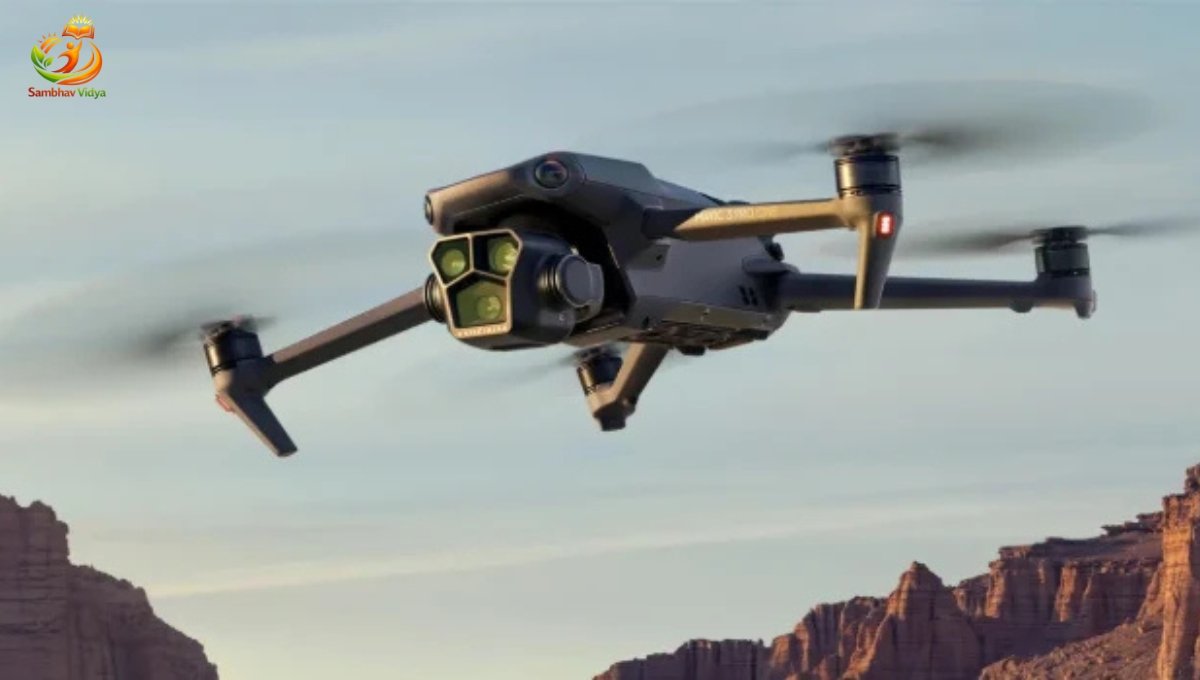
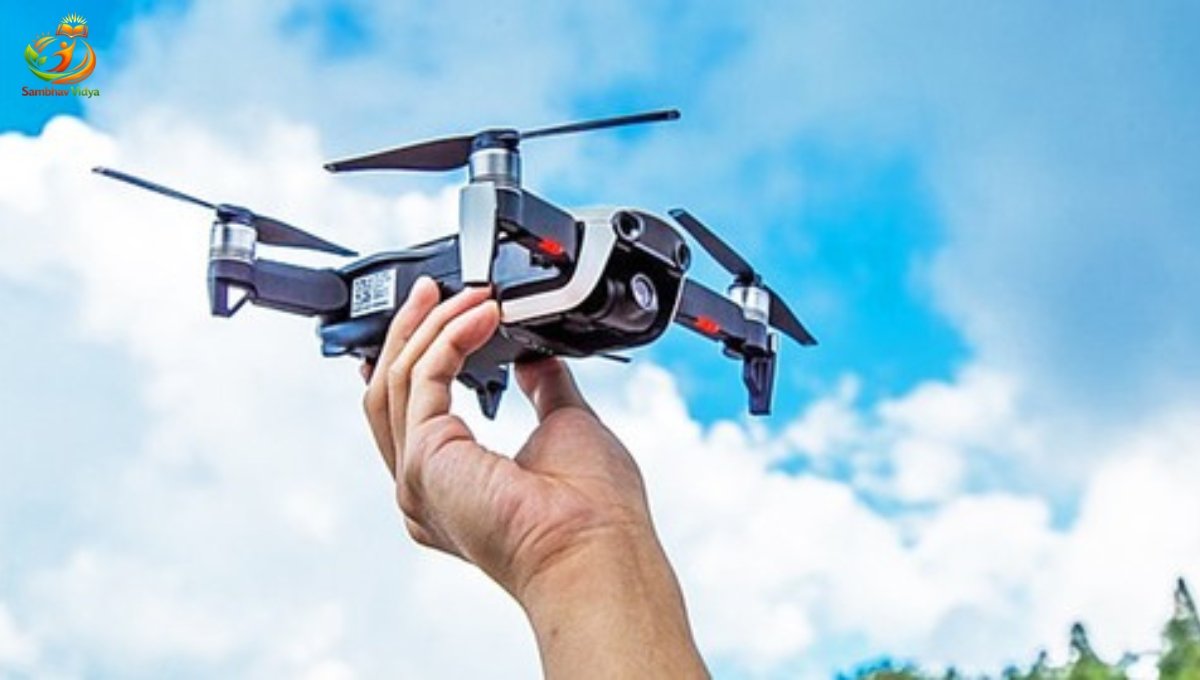
UAV training is designed to teach students how unmanned aircraft work and how they can be operated safely and effectively. At the beginner level, training introduces the basic components of a UAV, including motors, propellers, batteries, controllers, GPS systems, sensors and communication systems. Students gradually learn flight controls, take-off, hovering, manoeuvring and landing. Professional training goes beyond basic flying. It can introduce airspace awareness, aviation regulations, weather, flight planning, maintenance, risk assessment and emergency procedures.
Some programmes also specialise in applications such as agriculture, surveying, inspection, photography, mapping or FPV flying. The most important thing to understand is that not every UAV course provides the same certification. A short workshop may teach drone skills without being a regulated remote pilot certification programme. If your goal is professional drone operations in India, you should verify whether the training organisation is currently authorised by the Directorate General of Civil Aviation, or DGCA, for the relevant training scope.
India’s drone ecosystem has expanded rapidly. Government data released in February 2026 reported more than 38,500 registered drones, 39,890 DGCA-certified remote pilots and 244 approved training organisations in the country.
This growth is being supported by real-world applications.
Drones are being used for agricultural operations, land surveys, infrastructure monitoring, disaster response and other public and commercial activities. Under the SVAMITVA programme, the government reported that approximately 3.28 lakh villages had been surveyed using drones by December 2025.
This means that demand is gradually moving beyond people who simply know how to fly. Companies increasingly need professionals who can operate UAVs while understanding the purpose of the mission and the data being collected.
A good UAV training programme normally combines classroom learning with simulator practice and practical flying, depending on the course.
Students first learn how an unmanned aircraft works. They then learn flight controls and safe operating techniques. Professional programmes introduce the regulatory environment and operational responsibilities.
DGCA’s training framework covers subjects including air law, airspace, principles of flight, ATC procedures, meteorology, crew resource management, instrument flying, weight and balance, performance, equipment maintenance, risk assessment, safety management, emergency procedures, payload installation and utilisation, and drone data analysis.
| Training Module | What Students Learn |
|---|---|
| UAV Fundamentals | Aircraft components and systems |
| Flight Controls | Take-off, hovering, movement and landing |
| Airspace | Operational awareness and restrictions |
| Aviation Regulations | Applicable drone rules |
| Meteorology | Wind, visibility and weather |
| Flight Planning | Mission preparation |
| Simulator Training | Controlled flight practice |
| Practical Flying | Real-world aircraft operation |
| Safety | Risk management and emergencies |
| Maintenance | Inspection and basic troubleshooting |
| Payloads | Cameras, sensors and equipment |
| Data | Basic collection and analysis |
The exact syllabus depends on the institute, drone category and purpose of the programme.
One of the biggest advantages of the UAV industry is the number of specialisations available. A beginner who simply wants to understand drones may choose an introductory programme. Someone looking for professional certification may choose an authorised remote pilot training route.
Agriculture professionals can choose agricultural UAV training. Surveying students can learn drone mapping and photogrammetry. Creative professionals can explore aerial photography or FPV cinematography.
| Course Type | Main Focus | Suitable For |
|---|---|---|
| Basic UAV Training | Fundamentals and flying | Beginners |
| Remote Pilot Training | Professional drone operations | Aspiring pilots |
| Agriculture UAV Course | Spraying and crop applications | Agriculture professionals |
| Survey & Mapping | GIS and aerial mapping | Surveying/civil professionals |
| FPV Training | Manual and immersive flying | FPV enthusiasts |
| Aerial Photography | Camera and composition | Photographers |
| Drone Technician Course | Repair and maintenance | Technical students |
| Data Processing | Mapping and analysis | GIS/data professionals |
Choosing a course based on your career goal is much more useful than simply selecting the programme with the most attractive advertisement.
Eligibility depends on the course. For many professional remote pilot programmes in India, 18 years of age and Class 10 qualification are common requirements. However, these conditions are not universal for every UAV-related course.
For example, a current IGRUA drone training programme lists a minimum age of 18 years and a Class 10 qualification for its applicable DGCA-certified training programme.
Some technical courses may accept younger students, while specialised programmes may expect existing knowledge of agriculture, engineering, GIS or photography.
| Requirement | Common Situation |
|---|---|
| Age | 18+ for many professional programmes |
| Education | Class 10 or equivalent is commonly used |
| Technical Degree | Usually unnecessary for beginner pilot training |
| Medical Fitness | May be required for professional training |
| Prior Experience | Generally not required for beginner courses |
| Computer Skills | Helpful for mapping and data processing |
Always check the latest requirements directly with the training organisation before admission.
There is no universal course duration. An introductory workshop may be completed in one or two days, while professional remote pilot training generally requires a structured programme involving theory and practical flying.
Specialised training may take longer because it introduces additional technology or software.
| Training Programme | Typical Duration |
|---|---|
| Introductory Workshop | 1–3 days |
| Professional Pilot Training | Several days |
| Agriculture Training | Several days to a week |
| FPV Basic Training | Around 2–3 days |
| Advanced FPV | Around 4–5 days |
| Survey & Mapping | Depends on syllabus |
| Technician Training | Depends on programme |
A longer course is not automatically better. The quality of instructors, practical flying exposure, equipment and curriculum matters far more.
Course fees vary considerably across India. The cost depends on the institute, course category, drone type, duration, equipment, practical flying and certification. A basic workshop can be relatively inexpensive, while professional certification and specialised technical courses may cost considerably more.
For example, current private FPV course listings in India include basic programmes around ₹25,000 plus GST and advanced programmes around ₹45,000 plus GST. These are examples from a specialised provider and are not a national UAV training fee standard.
| Course Type | General Fee Level |
|---|---|
| Basic Workshop | Low |
| Beginner Flying Course | Low to moderate |
| Professional Pilot Training | Moderate |
| Agriculture Training | Moderate |
| FPV Training | Moderate to high |
| Survey & Mapping | Moderate to high |
| Advanced Technical Training | Higher |
Students should always ask whether GST, assessment charges, certification-related costs, accommodation, equipment or other expenses are included.
UAV technology can look easy until you actually operate an aircraft. A simulator gives beginners an excellent opportunity to practise controls without putting real equipment at risk. Students can learn basic movements and become comfortable with the controller. But real-world flying teaches things that a simulator cannot completely reproduce.
Wind, changing weather, visibility, battery behaviour, obstacles and environmental conditions can all affect a UAV. That is why practical training is one of the most important factors to consider before joining a course. A programme with strong theory but very little actual flying may not provide the confidence a professional operator needs.
This is an area where beginners should be particularly careful. The words “UAV certificate”, “drone certificate” and “drone license” are often used loosely by training providers. A certificate from an institute may simply confirm that you completed its course. A Remote Pilot Certificate, on the other hand, is part of India’s regulated remote pilot framework. DGCA’s training framework provides for authorised RPTOs to train individuals seeking an RPC.
Therefore, if a course claims to offer DGCA-authorised remote pilot training, candidates should verify the institute’s current authorisation and approved scope through official DGCA information. DGCA maintains an RPTO Approved Scope page, which can help candidates verify relevant training organisations and their authorised scope.
Choosing the right institute can make a huge difference to your learning experience. Don’t choose a course simply because it has a low price or an attractive certificate. First, check the institute’s current authorisation if it is offering regulated remote pilot training. Then look at its approved scope and physical training location.
DGCA issued a public notice in May 2025 highlighting the importance of RPTO public disclosures. The information includes authorisation number, scope, validity, addresses, flying ground, UAS and simulator details.
Before admission, compare:
| Factor | Why It Matters |
|---|---|
| Authorisation | Important for regulated training |
| Approved Scope | Confirms applicable training category |
| Flying Ground | Provides real practical exposure |
| Instructors | Directly affects learning quality |
| Training Drones | Determines hands-on experience |
| Simulator | Helps beginners practise safely |
| Safety Curriculum | Essential for professional work |
| Course Fee | Helps compare total investment |
| Certification | Clarifies exactly what you receive |
| Career Support | Can help with industry entry |
A UAV course can lead to several different career directions.
The obvious role is a drone pilot, but that is only the beginning.
Agriculture companies need operators for field applications. Surveying firms can require pilots who understand mapping. Construction companies can use UAVs for progress monitoring. Infrastructure companies can use drones for inspection.
Media companies need aerial photographers and FPV pilots, while technical organisations require people who can maintain and troubleshoot UAV systems.
The strongest career profiles often combine UAV operation with another skill.
A pilot who understands GIS can become valuable in surveying. A pilot with agricultural knowledge can work more effectively in agritech. A photographer who masters drone cinematography can offer a specialised creative service.
There is no fixed salary for UAV professionals. A beginner may start with a junior field position, while an experienced specialist can move into senior operational, training, inspection, mapping or project-management roles.
Freelancers and entrepreneurs may earn differently because their income depends on the projects and clients they secure.
| Experience | Possible Career Stage |
|---|---|
| Beginner | Trainee/Junior Operator |
| 1–3 Years | Field UAV Operator |
| 3–5 Years | Specialist/Senior Operator |
| 5+ Years | Lead Pilot/Trainer |
| Experienced Entrepreneur | UAV Service Provider |
Salary should not be treated as guaranteed simply because a person completes a course. Skills, location, industry, experience and demand all influence earnings.
Yes. UAV training can also become the foundation for entrepreneurship. An experienced operator can offer aerial photography, agriculture services, surveying, mapping, construction monitoring or inspection services. One particularly interesting model is Drone-as-a-Service, where customers hire a professional company whenever they need drone-based services instead of purchasing their own equipment.
The Government of India has highlighted drone-based service models and startups as part of the country’s growing drone ecosystem. Starting small can be a sensible approach. Choose one niche, understand the local demand, build your portfolio and gradually expand your equipment and services.
Flying a UAV is only one part of the job. The modern UAV professional can benefit from understanding mission planning, weather, aviation rules, battery management, equipment maintenance and safety procedures. Additional skills can make an even bigger difference.
Learning GIS and photogrammetry can strengthen a surveying career. Video editing can improve an aerial-media business. Agricultural knowledge can help with farm applications. Electronics can open opportunities in UAV repair and maintenance. The goal should be to become someone who can operate the technology and understand the work it is being used to accomplish.
The future of UAV technology looks increasingly connected to other emerging technologies. Artificial intelligence, computer vision, automation, advanced sensors, mapping software and data analytics are likely to make UAV systems more capable.
As drone adoption increases, businesses may need professionals who understand both the aircraft and the digital information it produces. This could create opportunities in areas such as autonomous operations, inspection analytics, precision agriculture, 3D mapping, infrastructure monitoring and specialised drone services.
Government investment in drone innovation is also continuing. In 2026, MeitY and Drone Federation India launched NIDAR 2.0, a national drone innovation challenge focused on advanced drone applications and technology development. This suggests that India’s UAV ecosystem is moving towards more sophisticated applications rather than remaining limited to basic aerial photography.
For the right learner, it can be a valuable investment. But the course should be selected according to your career objective. If you want to become a professional remote pilot, focus on the applicable authorised training route. If you want to work in surveying, choose a programme that also develops mapping and data skills. If you want to work in agriculture, learn the agricultural applications of UAVs. If filmmaking is your passion, combine drone flying with cinematography. Don’t judge a course only by its certificate or fee. Look at what you will actually learn, how much practical flying you will receive and what skills you will have when the course ends.
Disclaimer: This article is intended for general educational and informational purposes only. UAV and drone regulations, DGCA requirements, Remote Pilot Certificate procedures, RPTO authorisations, eligibility criteria, course fees and operational requirements may change over time. Candidates should verify the latest rules, certification requirements and training-provider authorisations directly through official DGCA sources before enrolling in a course or undertaking professional drone operations. Course completion does not guarantee employment, salary, certification or business success. Fee examples are indicative and should not be considered a fixed national fee structure.