By Viraj • September 11, 2026
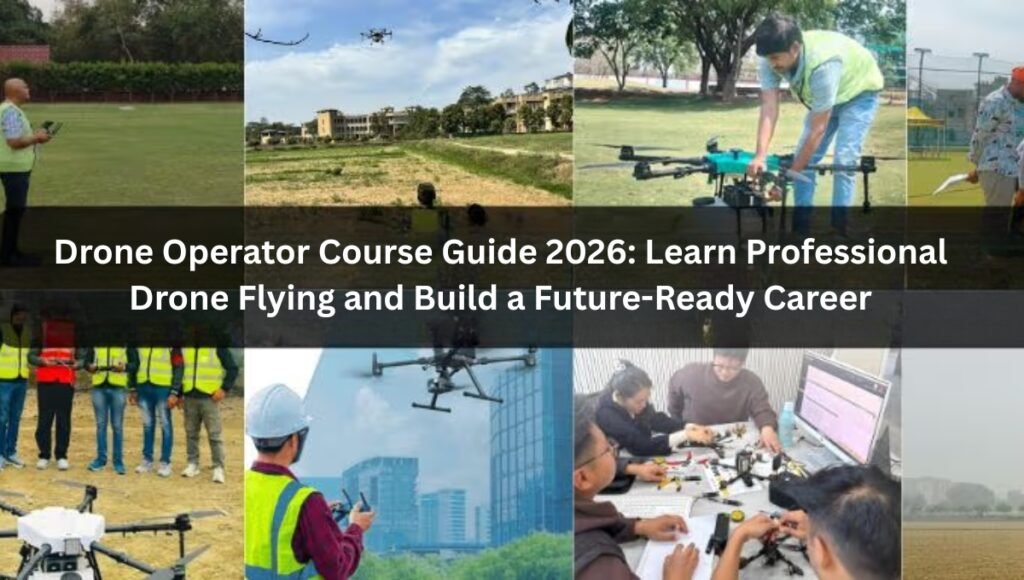
Drone Operator Course Guide 2026: There is something incredibly exciting about seeing a drone rise into the sky. Within seconds, an ordinary view can turn into something completely different. Fields become patterns, buildings become detailed models, and landscapes look like scenes from a movie. But behind every smooth professional drone flight is much more than a person holding a remote controller.
A skilled drone operator understands the aircraft, knows how to plan a mission, respects aviation rules, reads weather conditions and can respond calmly when something unexpected happens.
That is why drone operation has become a serious career skill in India. Drones are now being used in agriculture, land surveying, construction, infrastructure inspection, filmmaking, real estate, disaster management and several government projects. As their applications grow, businesses need people who can operate these systems safely and turn aerial technology into useful results.
If you are thinking about joining a Drone Operator Course, this is an exciting time to explore the field. However, choosing the right training is important because every drone course is not the same. Some programmes are designed for hobbyists, some focus on FPV or photography, while professional remote pilot training follows a different regulatory pathway.
This complete guide explains everything you should know before joining a Drone Operator Course in India, including eligibility, course duration, fees, syllabus, practical training, certification, career opportunities and how to choose the right institute.
A Drone Operator Course is a structured training programme that teaches students how to operate unmanned aircraft safely and effectively. At the beginner level, the course introduces the basic working of drones and teaches fundamental controls such as take-off, hovering, movement and landing. As training becomes more advanced, students can learn flight planning, airspace awareness, weather conditions, equipment maintenance, risk management and emergency procedures.
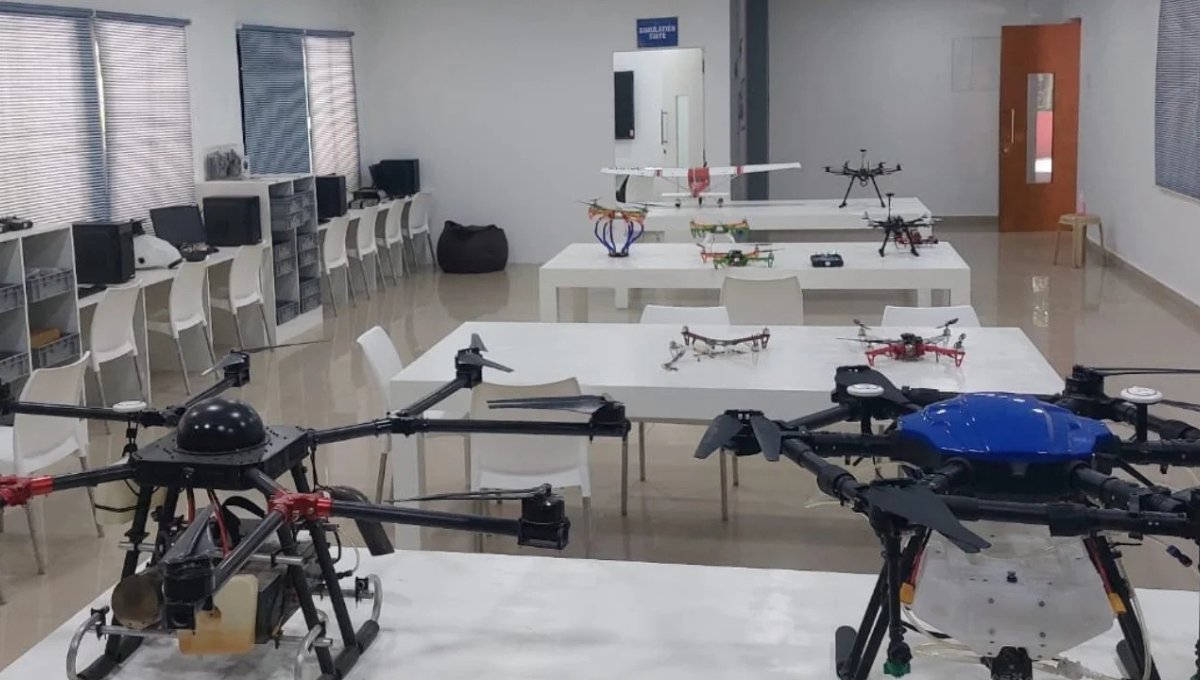
Professional programmes can also introduce students to applications such as mapping, agriculture, inspection, photography and data collection. An important distinction needs to be made between a general drone training course and DGCA-authorised remote pilot training. If your goal is professional certification in India, you should verify whether the training organisation is authorised by the Directorate General of Civil Aviation for the relevant training scope.
DGCA defines a Remote Pilot Training Organisation, or RPTO, as an organisation authorised to provide remote pilot training to individuals seeking a Remote Pilot Certificate. This means that simply completing a course called “Drone Operator Course” does not automatically mean you have obtained a regulated Remote Pilot Certificate.
India’s drone industry has moved far beyond recreational flying.
Government data released in February 2026 reported more than 38,500 registered drones and 39,890 DGCA-certified remote pilots, along with 244 approved training organisations.
Drones are being used for real-world applications across the country. Under the SVAMITVA programme, drone technology has been used to survey rural areas and support the preparation of property records. Government data reported that around 3.28 lakh villages had been surveyed using drones by December 2025.
Agriculture is another important application. Drones can support crop monitoring, agricultural spraying and field data collection.
Construction companies use drones to document project progress, while survey teams can use aerial imagery for mapping and 3D modelling.
This growing demand is creating a need for trained operators who understand not just how to fly but also how to perform a professional mission.
You do not need to be an aviation expert to start learning drone operations.
A student can join to develop a new technology skill. A photographer can learn aerial cinematography. An agriculture professional can explore drone-based farm services. A civil engineering student can combine drone flying with surveying and mapping.
The course can also be useful for entrepreneurs who want to start a drone service business.
Your educational background may matter for certain specialised programmes, but many beginner-level professional programmes are designed for people entering the field for the first time.
Eligibility varies depending on the type of training.
For many professional remote pilot training programmes, 18 years of age and Class 10 qualification are commonly used as basic eligibility requirements. However, candidates should always verify the current requirements of the specific training programme before admission.
| Eligibility Factor | Common Requirement |
|---|---|
| Minimum Age | Often 18 years for professional training |
| Education | Class 10 or equivalent is commonly accepted |
| Previous Flying Experience | Usually not required for beginners |
| Technical Degree | Generally not necessary for basic pilot training |
| Medical Fitness | May be required for applicable programmes |
| Computer Skills | Helpful for mapping and data processing |
Specialised programmes can have different requirements, so never assume that one institute’s eligibility criteria apply everywhere.
Professional drone operation involves much more than controlling an aircraft. DGCA’s training framework covers a wide range of subjects, including air law, Drone Rules, airspace, principles of flight, ATC procedures, radio-related procedures, meteorology, crew resource management, instrument flying, weight and balance, performance, equipment maintenance, risk assessment, emergency procedures, payload installation and drone data analysis.
A typical course may therefore combine theoretical lessons with simulator practice and supervised real-world flying.
| Course Module | What You Learn |
|---|---|
| Drone Fundamentals | Components and basic operation |
| Flight Controls | Take-off, hovering and landing |
| Flight Planning | Preparing and organising missions |
| Airspace | Understanding operational restrictions |
| Regulations | Applicable drone rules |
| Meteorology | Wind, visibility and weather |
| Simulator Practice | Safe virtual flying |
| Practical Flying | Real drone operation |
| Safety | Risk assessment and emergency procedures |
| Maintenance | Basic inspection and troubleshooting |
| Payloads | Cameras, sensors and other equipment |
| Data | Basic collection and processing |
The actual curriculum depends on the institute, drone category and training scope.
Reading about drone flying is useful, but it cannot replace actually operating an aircraft. A good training programme should provide students with opportunities to practise under supervision. Beginners can first use a simulator to understand controller movements without risking an expensive drone. After gaining confidence, they can move to practical outdoor flying.
Real-world flying teaches you how wind affects the aircraft, how the drone responds to different environments and how to maintain situational awareness. The quality of practical training can make a huge difference to a student’s confidence after completing the course.
There is no universal duration for every drone course. Short workshops may last one or two days, while professional training programmes can take several days because they combine theory, simulation and practical flying.
Specialised courses can require additional time.
| Course Type | Typical Duration |
|---|---|
| Basic Drone Workshop | 1–3 days |
| Beginner Flying Course | Several days |
| Professional Remote Pilot Training | Around 5 days or more |
| Agriculture Drone Training | Several days to a week |
| FPV Training | Around 2–5 days depending on level |
| Survey & Mapping | Depends on software and syllabus |
| Advanced Specialisation | Depends on training objectives |
Don’t judge a course only by its number of days. A shorter course with meaningful hands-on training can be more useful than a longer course with limited practical exposure.
The cost of drone training varies significantly. There is no single national fee that every student has to pay. Course fees depend on the institute, location, drone category, practical facilities, duration and certification pathway.
Basic workshops are generally cheaper, while professional certification and specialised training can cost more.
For example, one current Indian provider lists basic FPV training at ₹25,000 plus 18% GST and advanced FPV training at ₹45,000 plus 18% GST. These are examples from a specific provider and should not be considered a standard fee for all drone operator courses.
| Training Type | General Cost Level |
|---|---|
| Basic Workshop | Low |
| Beginner Drone Flying | Low to moderate |
| Professional Pilot Training | Moderate |
| Agriculture Drone Training | Moderate |
| FPV Training | Moderate to high |
| Survey & Mapping | Moderate to high |
| Advanced Technical Training | Higher |
Before paying the fee, ask whether GST, accommodation, meals, assessment charges, certification-related fees and equipment costs are included.
Certification is one of the areas where students need to be especially careful. A training institute may provide a certificate confirming that you completed its course. This can be useful as proof of learning. However, that certificate should not automatically be treated as a Remote Pilot Certificate.
For professional remote pilot training, candidates should follow the applicable DGCA-authorised training pathway. DGCA has also made public disclosure by RPTOs important. Its May 2025 notice highlighted information such as authorisation number, scope, validity, addresses, flying grounds, UAS and simulator facilities.
Therefore, before admission, check the institute’s current authorisation and approved scope rather than relying only on advertising claims.
Choosing the right institute can save you time, money and disappointment.
Start by identifying your career objective. If you want to become a professional remote pilot, look for an appropriately authorised training organisation. If you want to specialise in agriculture, mapping, FPV or filmmaking, check whether the course provides meaningful training in that area.
The following factors deserve attention:
DGCA’s current RPTO Approved Scope information should be checked when evaluating organisations offering regulated remote pilot training.
One of the most exciting things about this career is that you can specialise as your skills grow.
Agricultural drone operators can work with crop monitoring, field mapping and permitted spraying applications. Knowledge of agriculture can make a pilot much more effective in this field.
This path is ideal for people interested in civil engineering, geography or GIS. Drone imagery can be processed into maps, 3D models and other useful survey outputs.
FPV pilots use first-person-view systems for racing, freestyle and cinematic applications. This requires significant practice and excellent manual control.
Creative professionals can use drones to capture property videos, weddings, advertisements, travel content, documentaries and films.
Drones can support inspection activities involving solar plants, towers, bridges, power infrastructure and industrial assets. Technical knowledge is particularly valuable here.
A drone operator can work across a surprisingly wide range of industries.
| Career | Main Responsibilities |
|---|---|
| Drone Operator | Professional flight operations |
| Agriculture Drone Pilot | Agricultural drone services |
| Survey Pilot | Aerial mapping and surveys |
| GIS Specialist | Drone data and mapping |
| FPV Pilot | FPV filming and specialised flying |
| Aerial Photographer | Drone photography |
| Inspection Operator | Infrastructure imagery |
| Drone Technician | Maintenance and repair |
| UAV Trainer | Training new pilots |
| Drone Entrepreneur | Providing drone-based services |
Government initiatives are also increasing the use of drone technology across public-sector applications. This creates a broader ecosystem for trained professionals.
Many people naturally want to know how much they can earn after completing a drone course. The honest answer is that there is no fixed salary.
An entry-level operator may start with a junior field position, while experienced professionals with specialised skills can move into better-paying roles.
Freelancers and entrepreneurs may earn on a project basis instead of receiving a monthly salary.
| Experience | Possible Position |
|---|---|
| Beginner | Trainee or Junior Operator |
| 1–3 Years | Field Drone Operator |
| 3–5 Years | Senior/Specialist Operator |
| 5+ Years | Lead Pilot or Trainer |
| Experienced Entrepreneur | Drone Service Business Owner |
Your earning potential can depend on location, industry, technical expertise, project complexity and experience. A pilot who knows GIS, for example, may have access to different opportunities from a pilot who specialises only in photography.
The most successful operators usually develop skills beyond flying. You should learn how to inspect your equipment, manage batteries, understand weather, plan missions and respond to emergencies. Communication is also important because professional pilots often work with engineers, farmers, photographers, surveyors, construction managers and clients. Additional skills such as GIS, photogrammetry, video editing, photography, agriculture or electronics can help you specialise. The goal should be to become someone who can operate the drone and understand the professional purpose behind the flight.
Yes, experienced operators can build businesses around drone services. Instead of working for one company, you can potentially offer services to multiple clients in areas such as agriculture, surveying, real estate, construction, photography and inspection, subject to applicable rules.
The Drone-as-a-Service model is becoming increasingly relevant because many organisations need drone services without wanting to purchase and maintain their own complete fleet. However, starting a business requires more than buying a drone. You need to understand regulations, equipment costs, maintenance, marketing, pricing, customer service and project management.
Many beginners make the mistake of choosing a course simply because it has the words “DGCA” or “professional” in its advertisement. Always verify what certification the institute actually provides.
Another mistake is focusing entirely on the cheapest course. Practical training quality can matter much more than a small difference in price. Buying an expensive drone before learning basic flying is another common mistake. Start with training and develop your skills first. Finally, don’t assume that completing one course means your learning is finished. Drone technology continues to evolve, and professional pilots need to keep updating their knowledge.
The future of drone operations looks promising. India is developing a broader drone ecosystem involving pilots, manufacturers, training organisations, software developers, service companies and specialised technology providers. The Government of India has also been supporting drone innovation and skill development. Programmes related to drone technology, agriculture and surveying are expanding the number of situations in which unmanned aircraft can be useful. This means the future may belong to operators who combine flying with another discipline.
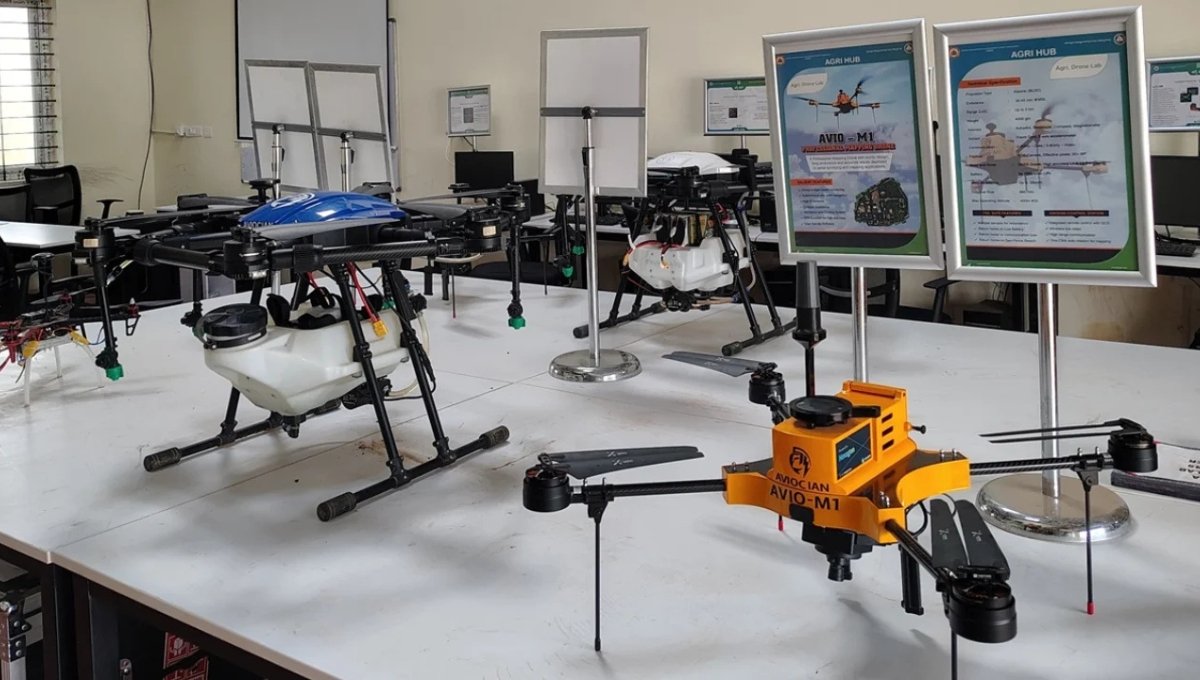
A pilot who understands GIS can work in mapping. A pilot with agriculture knowledge can support precision farming. A filmmaker can specialise in cinematic drone work. A technical professional can move into maintenance or inspection. The possibilities become much larger when you stop thinking of yourself as simply a “drone flyer” and start thinking of yourself as a drone technology professional.
Disclaimer: This article is provided for general educational and informational purposes only. Drone regulations, DGCA requirements, Remote Pilot Certificate procedures, RPTO approvals, eligibility criteria, course fees and operational rules may change over time. Candidates should verify the latest requirements directly through official DGCA sources and with the selected training organisation before admission, payment or professional drone operations. Course completion or certification does not guarantee employment, salary or business success. Fee examples are indicative and should not be considered a fixed national fee structure.